One week in Shenzhen, and how fast you can build hardware there
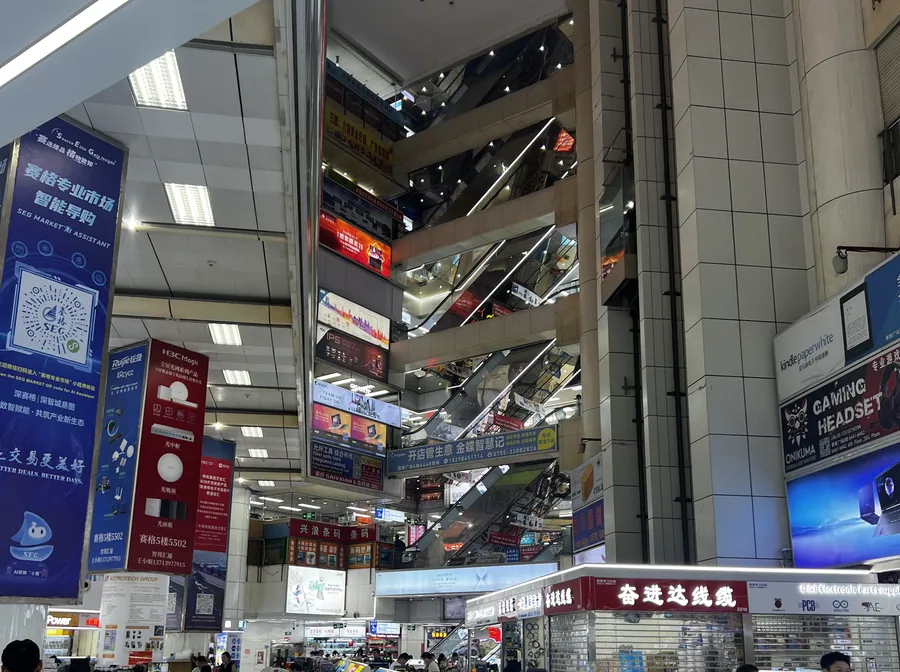
Shenzhen is intense. It is also the fastest place I have worked for getting a physical product from an idea to something you can hold. You can go from zero to a prototype within the day.
I have been to China six times in the last four months. This is what a week on the ground in Shenzhen looks like for a hardware project, what it is good for, and where the limits are.
Everything for prototyping is in one area
The speed comes from distance. The suppliers you need for a prototype sit close together, in one area.
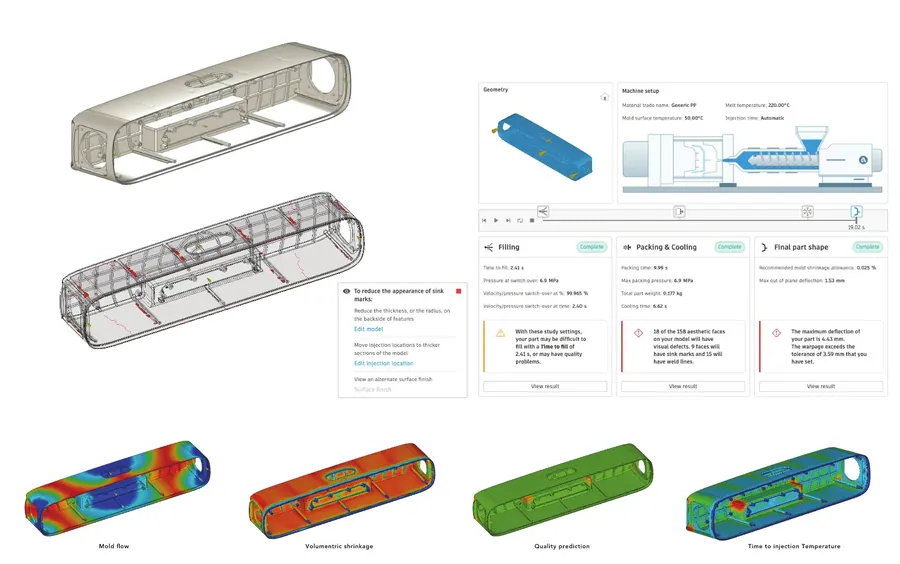
- 3D printing. Not only standard plastic prints. Metal 3D printing is available too.
- Hardware. Parts get made up really quickly.
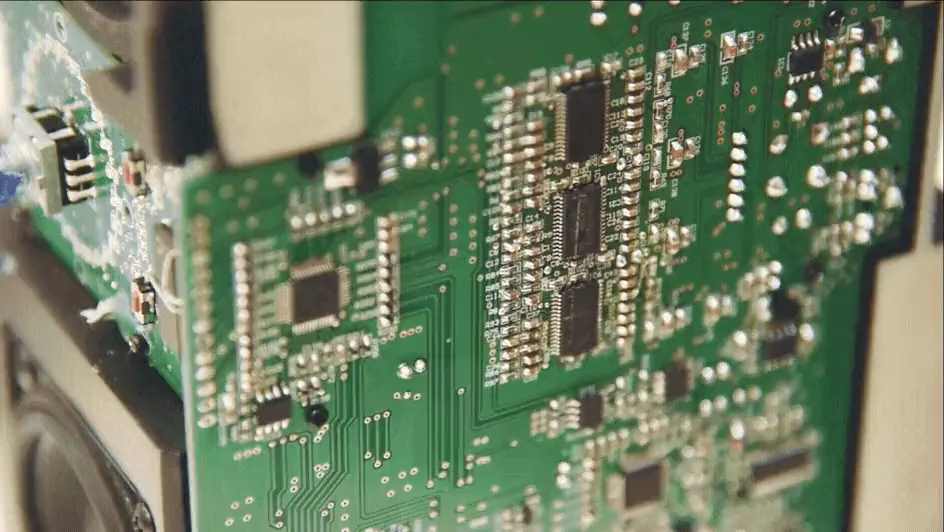
- PCBs. Boards are made in the same area.
Zero to prototype within the day
When the suppliers are that close, the loop changes. You find a problem in the morning, change the part, and have the new one on the bench later that day.
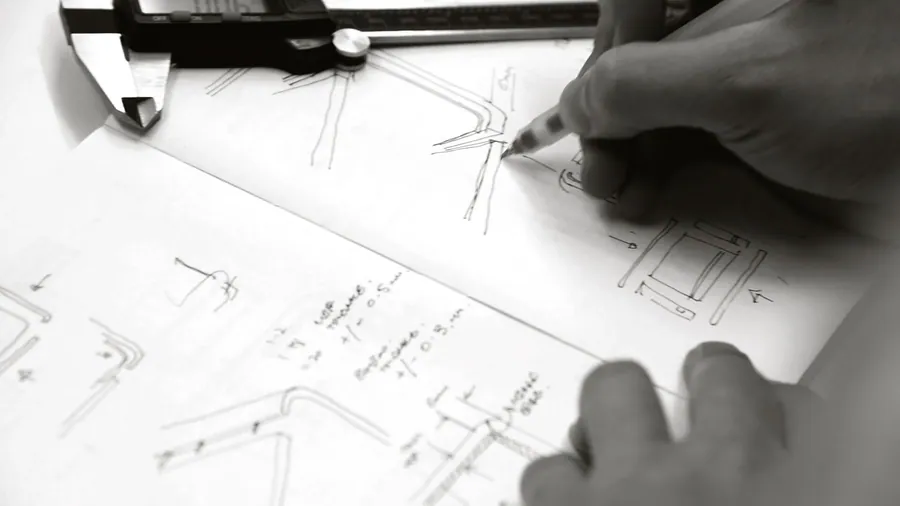
A real example. We got the tolerancing wrong on a set of CNC machined parts. We 3D printed new parts with the corrected fit and had them delivered within the hour. That let us test the new tolerances before we committed to the next round of CNC parts.
That matters because a prototype is only useful when it answers a question. I have written about that in Rapid prototyping that actually saves time. In Shenzhen you simply get to ask more questions in a week.
The factories are in the surrounding areas
Prototyping happens in the city. Around it are the factories that can do more, so the people who will make the product are close to the people who are still designing it.
That closeness is the real advantage. Manufacturing questions can be asked while the design can still change. It is the same discipline I describe in Designing for manufacture, common pitfalls and how to avoid them, only faster.
Places for founders to build on the ground
New places are opening around Shenzhen that give founders somewhere to grow and build hardware projects quickly, because they are based where the making actually happens. My client was using one of them, Powerhouse, run by Ryan Dunwoody. They gave us a place to operate and a place to build prototypes.
Founders want to be on the ground because they can build quicker and be part of the process, not wait at the end of an email thread. You also get access to networks you would never reach from home.
You are still working within limits
Fast does not mean finished. A part made in a day is a prototype, not a production part, and speed does not replace a clear brief. You are working within limitations.
The week works best when you arrive knowing which questions you need answered. That is the same order I follow on every project, set out on the Process page: lock the job and the constraints first, then prototype the risk.
What we took from it
I learned a lot about speed, and about how quickly things can get made. If you are a startup building hardware and you want to build at scale, it is the place to be.
If you have a hardware product that has stalled between a drawing and something you can test, a week like this can move it a long way. The design work that makes that week count is what I do. Start with Services.
Working on a product?
A short call is usually enough to work out where your project sits and what it needs next.