

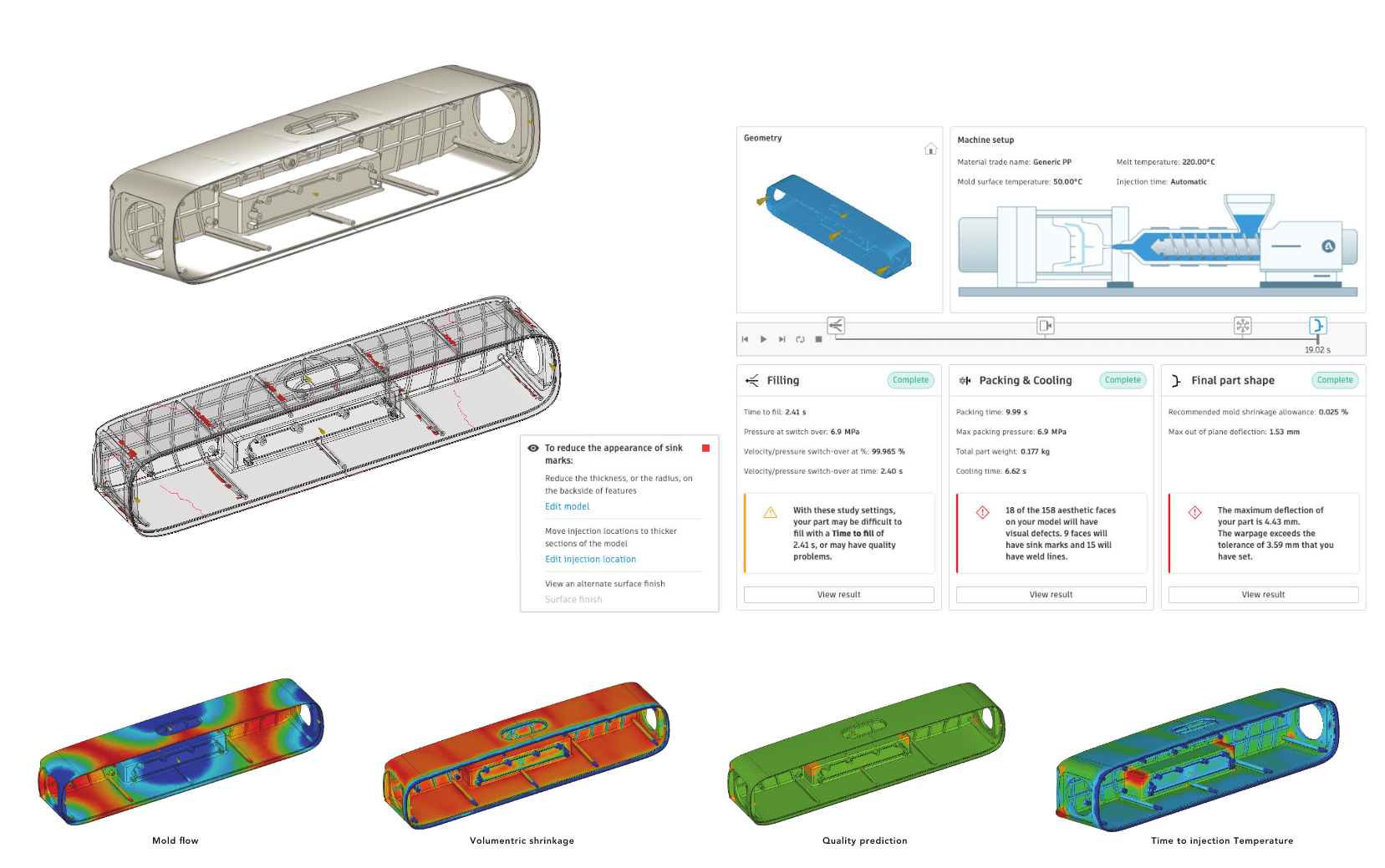
There’s a particular kind of meeting I can spot a mile away. The team is excited. The idea is strong. In practice, the renders look sharp. Everyone is nodding along, because the thing on the screen looks like a product already. Then someone asks the question that matters. In practice, this guide centers on rapid prototyping to keep decisions practical and buildable.
“Have we held it yet?” That’s usually where the room goes quiet. Because deep down, everyone knows the truth. A beautiful visual is not the same as a buildable object. And in hardware, you do not get to negotiate with physics. This is why I treat rapid prototyping as a decision engine, not a cosmetic checkpoint.
Prototyping is not the thing you do to prove you are progressing. It is the thing you do to find out if you are progressing.
The fastest way to waste time is to prototype the wrong thing
Rapid prototyping gets talked about like it is automatically good. Build fast. Iterate fast. Ship fast. But you can waste weeks “rapid prototyping” if the prototype is not aimed at a decision. A prototype that only proves the object looks nice is not a prototype, it is a prop.
So the way I frame it is simple. If a prototype does not change a decision, it is not doing its job. This is not my hot take. The value of low-fidelity prototyping is that it creates forward motion under uncertainty and turns unknowns into knowns.
The three types of questions prototypes should answer
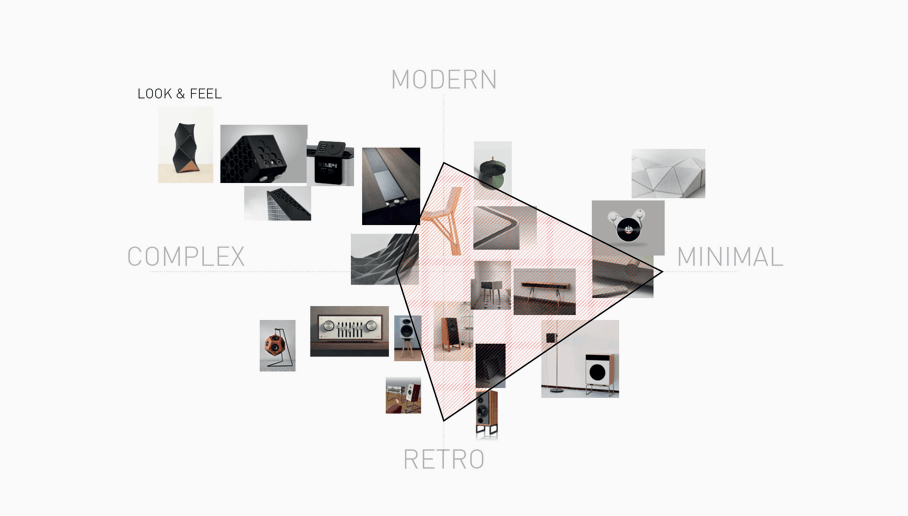
One of the most useful ways to think about prototypes is to stop classifying them by materials, and start classifying them by purpose. A practical model is to frame prototypes around what they are trying to learn: role, look and feel, or implementation.
Here’s how I translate that into product development work.
- Role prototypes
Does this product belong in the user’s life? Does the concept make sense in context? This is where rough mockups shine. Cardboard, foam, tape, stitched fabric. You are testing the idea, not the finish. - Look and feel prototypes
How does it feel in hand? Where does the thumb land? Does it sit stable on a bench? Does the carry grip make sense? This is where you learn the stuff CAD cannot tell you. - Implementation prototypes
Can the mechanism actually work? Can the seal survive? Meanwhile, can the assembly sequence be built by a human on a line, repeatedly, at cost? This is where the project becomes real.
If you are early stage, most teams jump too quickly into look and feel, because it is satisfying. The danger is you end up polishing a direction before you have proven the role, or the implementation. And this is where projects quietly burn money.
The Prototype Brief, the simplest tool that keeps everything honest
When I run prototyping well, it starts with a one-page brief. Nothing fancy. Just enough structure to stop us fooling ourselves.
Prototype Brief template
1) The question What are we trying to find out?
2) The decision it unlocks. What choice will we make once we know the answer?
3) Success criteria What does “pass” look like? What does “fail” look like?
4) The lightest prototype that could answer it Cardboard, foam, print, stitched sample, laser cut jig, whatever fits the question.
5) The test How will we test it, and who is involved?
6) Evidence Photo, measurement, short note, what changed, what we learned.
This structure matters because it prevents the most common failure pattern, building something impressive that teaches you nothing. It also creates a paper trail. If you are working with investors, stakeholders, or a wider team, evidence beats opinions every time.
Prototype the risk, not the whole product
Here’s the bit that founders and early stage teams often miss. You do not need to prototype the whole product to make progress. You need to prototype the riskiest assumptions first. In consumer hardware, the risks are usually not the parts you show in the render. They’re the quiet bits.
- Seals and ingress
- Fastener access and assembly order
- Cable routing and strain relief
- Structural mounts
- Interfaces people touch thousands of times
In practice, if you want a fast project, you attack those early. If you want a slow project, you pretend they will sort themselves out later. And they will, but later means expensive.
Why low fidelity saves time, even when it feels too rough
There’s a psychological reason low fidelity is powerful. When something looks unfinished, people critique it properly. When something looks finished, people assume it is finished. The opposite is also true. High polish can trap a team too early. It narrows options before you have earned clarity.
If you have ever watched a team get emotionally attached to a concept because it “looks premium”, you have seen this effect in the wild. This is also why I do not treat prototyping as a linear phase. It is a loop. The better the loop, the faster the project.
Where rapid prototyping usually goes wrong
Let’s call it out directly. These are the patterns I keep seeing.
1) Cosmetic checkpoints
A beautiful prototype that exists to impress, not to learn. You do not discover anything important, but you feel like you are moving. That’s a dangerous feeling.
2) One concept only
Teams build a single direction, then spend weeks defending it. A better move is to prototype three variants early, side by side, then let the evidence pick the winner.
3) Prototyping happens too late
Everything looks tidy on screen, then reality arrives as a surprise. Late surprises are expensive surprises.
4) No documentation of learnings
People rely on memory. Memory is slippery. A photo and a note is enough to stop the same mistake repeating.
A real-world vignette, how a rough prototype prevents a costly redesign
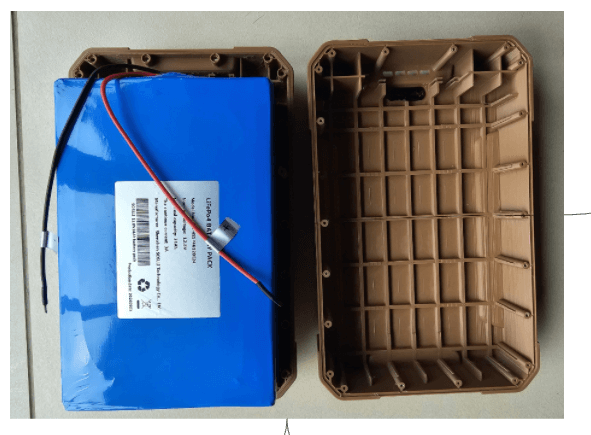
Here’s a familiar scenario from consumer tech work. The concept is strong. The housing looks clean. In practice, the industrial design is on track. Then you start building the internal layout and you discover something uncomfortable.
For example, fasteners cannot be driven with tools because the access angle is wrong. Or the cable bend radius is tighter than reality allows. Or the seal path looks good in CAD but cannot be assembled without twisting and pinching. If you find this after tooling, it is pain.
However, If you find it with a rough prototype, it is a massive win.
This is where a simple implementation prototype saves time. You prototype the interface, not the whole product. A rough print of the internal ribs, a quick jig to simulate assembly order, even a chopped-up foam model with real screws and a real tool.
Ten minutes with a screwdriver can prevent a six-week tooling delay.
My baseline prototyping stack
I’m not precious about tools. I’m precious about learning. But for transparency, here’s what I lean on in the studio depending on the question.
- Foam and cardboard for role and proportion, fast and honest
- Rough 3D prints for fit, assembly, mechanism layout
- Laser cut or CNC simple parts for quick structure checks
- Soft goods samples for seam placement, binding, load paths
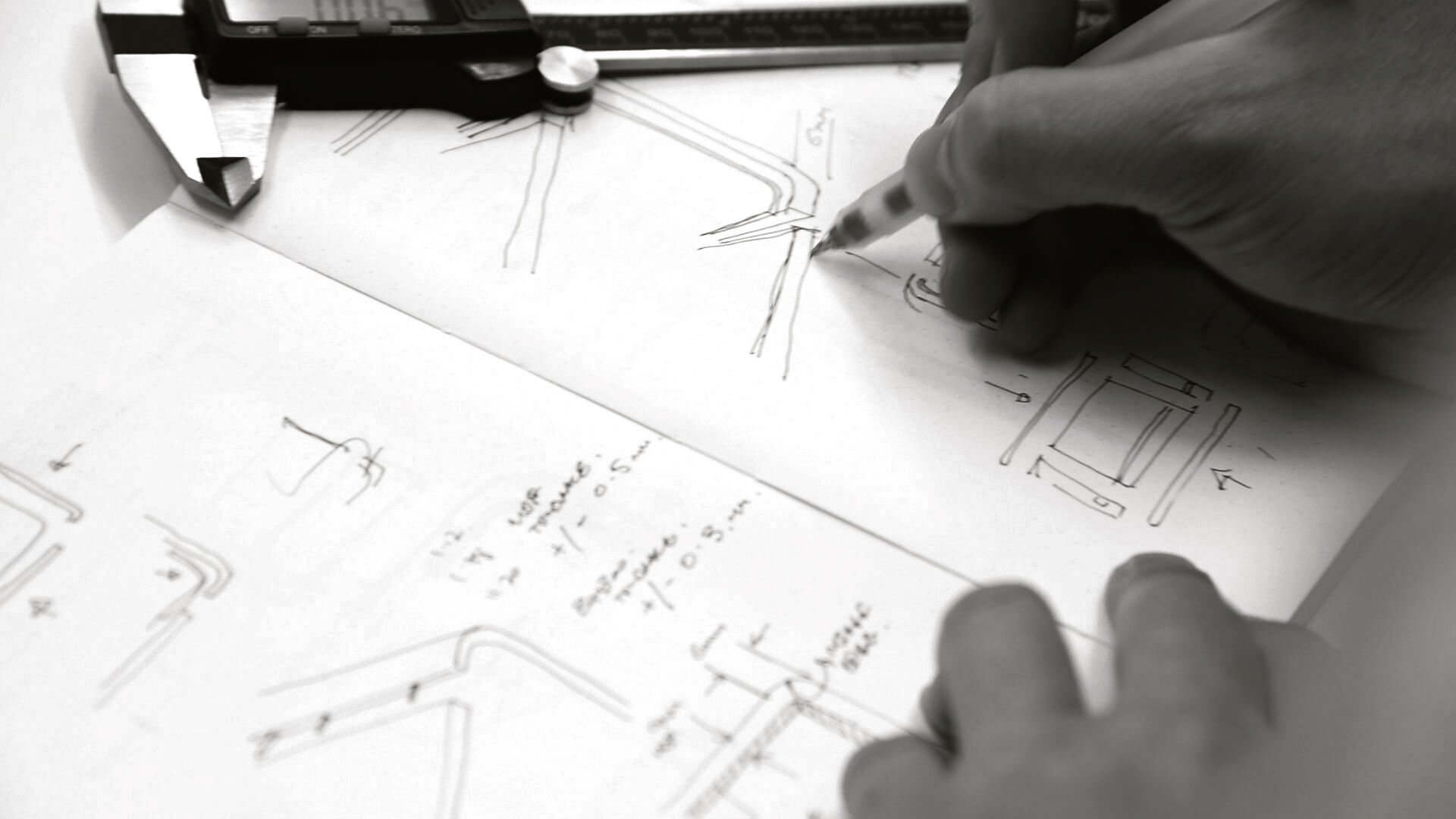
- Annotated sketches to capture decisions and prevent drift
Notice what is missing. Perfection. The goal is not a pretty object. The goal is a confident decision.
If you are a founder, do this before you pay for anything expensive
Specifically, If you want a simple action plan, here it is.
- Write your top five unknowns.
- Rank them by impact, uncertainty, and cost of change.
- Build one rough prototype per unknown, nothing more.
- Test in context, in hand, on bench, in the environment it will live in.
- Document what changed and what you decided.
Do this for two weeks and your project will feel different. Not shinier. Clearer. And clarity is the real currency in product development.
Want me to run this with you?
I offer a Prototype Sprint package for early-stage teams who need momentum without shortcuts.
It’s a structured sprint built around decision-making. You get:
- A risk-ranked prototype plan
- A Prototype Brief for each build
- Workshop builds and testing focused on the biggest unknowns
- A clear decision register: what is locked, what is open, and what happens next
If you’re sitting on a concept and you want to move fast, send me a note with:
- What you are building
- Who it is for
- What you are most unsure about right now
Because the goal is not to look like you are progressing. The goal is to actually progress.
 Book a Call
 Instagram.
 linkedin.