

Consumer electronics changes fast. Trends come and go, interfaces shift, and every year there is a new “must-have” feature that promises to change everything. In practice, and yet, the products that win still win for the same reasons. For example, they feel obvious in the hand. They are clear in use. For example, they survive real life, they behave predictably, they earn trust.
If you are building hardware in 2026, you are probably feeling two forces at once: more opportunity, more pressure. More tools, more noise. AI is a huge part of that, and I’ve written about how I use it to move faster from idea to direction in Idea to direction fast, AI assisted product development.
But this post is not about the tools. This is about the product, the physical object, the thing someone buys, touches, lives with, and judges you on every single day.
Quick navigation
- What has changed in 2026
- What still matters, the fundamentals
- Trust signals, what users feel before they think
- Real-world reality, water, dust, drops, glare, noise
- Manufacture, service, and the boring stuff that kills timelines
- A practical checklist you can use this week
- Project references from my work
What has changed in 2026
Let’s start with the obvious.
Software expectations have leaked into hardware. For example, people expect devices to update, adapt, and stay supported. Ultimately, they expect fewer steps and more clarity. Next, they expect charging to be simple. As a result, they expect repair to be possible. Meanwhile, they expect a product to stay current for longer than a launch cycle.
Some of this is cultural. Some of it is economic. Meanwhile, some of it is now enforced by regulation in major markets.
For example, the EU’s common charger rules require USB-C on many categories, with laptops included from 28 April 2026. That is not a design trend, it is a constraint that shapes ports, internal layout, sealing, and mechanical retention. See the European Commission overview here: EU common charger rules.
There are also EU ecodesign requirements for smartphones and tablets from 20 June 2025 that push durability, repairability, battery longevity, and longer software support. See the Commission summary here: Smartphones and tablets, EU ecodesign requirements.
Even if you are not selling in Europe today, these signals matter. requirements and expectations spread. Retailers take note. Consumers learn fast. In practice, so yes, the landscape is changing. For example, but the fundamentals are still the fundamentals.
What still matters, the fundamentals
Next, I like to think of consumer electronics as a trust business. You are asking someone to bring a powered object into their home, their car, their boat, their workplace, their hands. You are asking them to rely on it. Sometimes in the rain, sometimes with gloves, sometimes under stress.
As a result, That means the design job is not “make it look sleek”. It is “make it make sense”. Dieter Rams said “good design is as little design as possible”. Whether you agree or not, the point lands. Clarity wins. Noise loses. Here are the fundamentals I keep coming back to.
1) Ergonomics, the hand does not lie
CAD can look perfect. Renders can look premium. But the moment someone holds the object, the truth arrives. Ergonomics is not only about comfort. It is confidence.
- Does it sit naturally in the hand, or do you have to think about it?
- Can you find the right control without looking?
- Does it feel stable when you press, twist, mount, or dock?
- Does it work for small hands, large hands, gloves, wet hands?
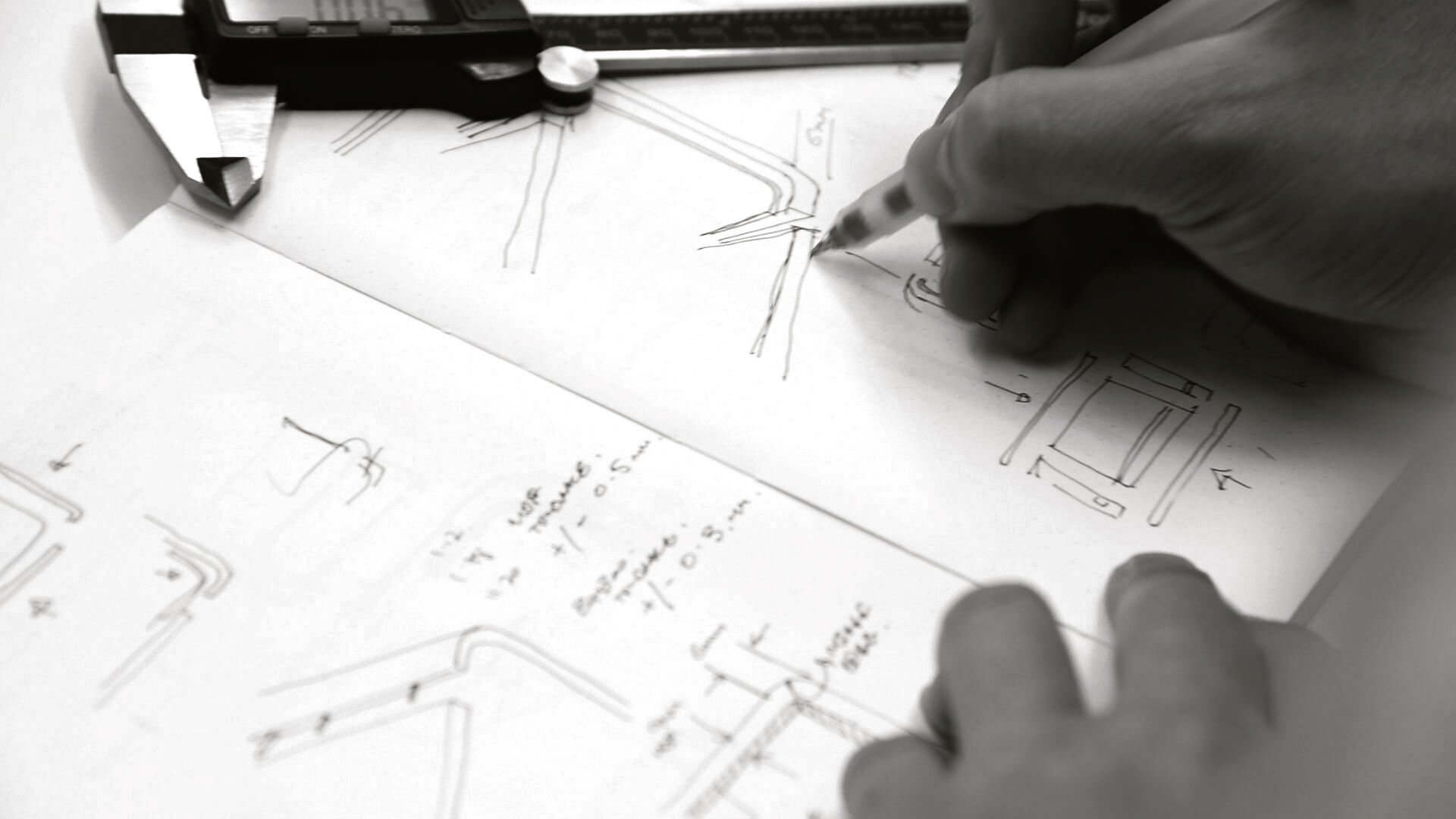
This is why physical mockups still matter. Foam. 3D prints. Quick rig builds. Anything that puts the design into reality early.
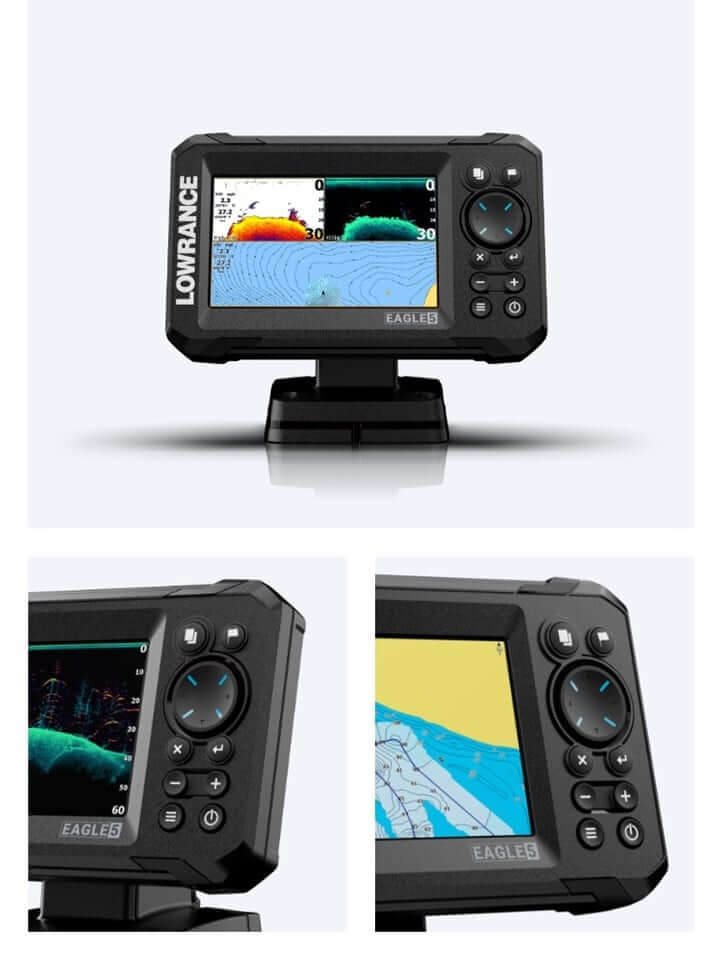
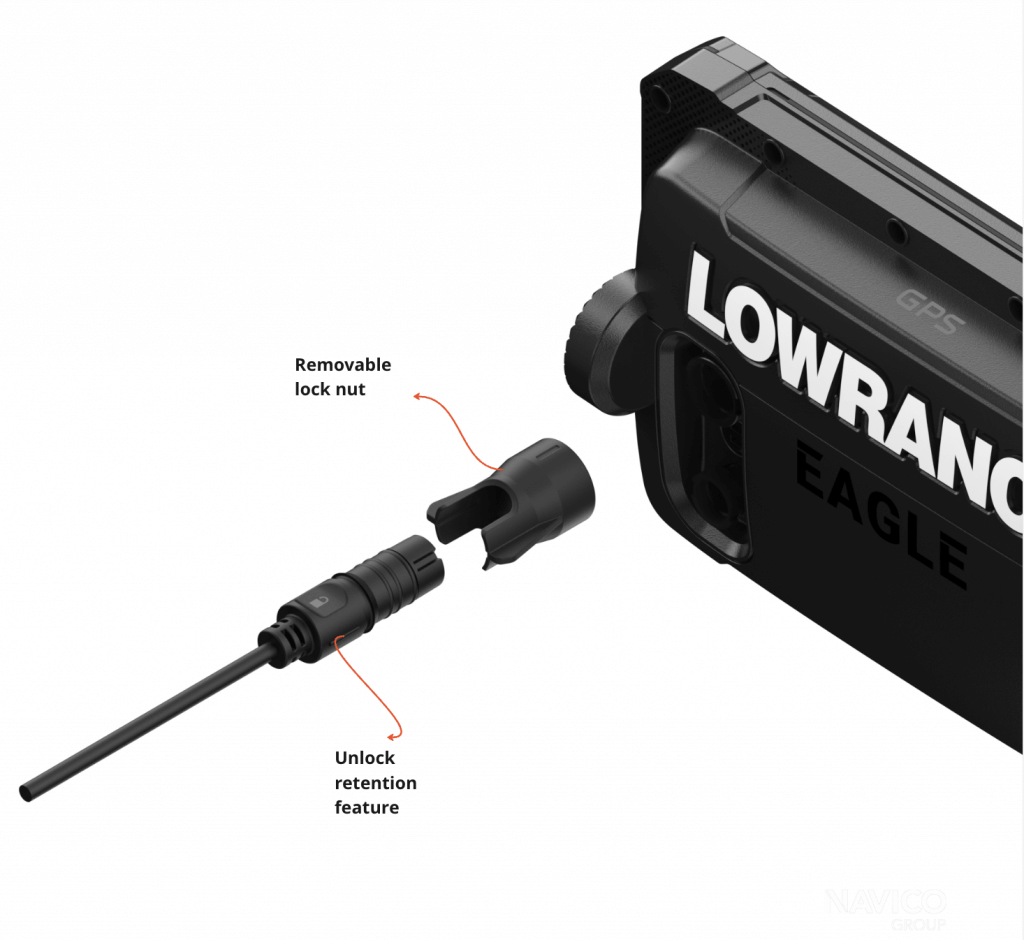
On the Lowrance Eagle project, the work was not just about making an entry-level unit look better. It was about resolving real user pain points, including cable connection challenges that affected waterproof performance. That is ergonomics and reliability working together.
2) Interface clarity, people do not read manuals
In 2026, the bar is higher. People expect instant comprehension. And the harsh reality is this: if your interface needs explanation, it is already losing.
Interface clarity is not only screen UI. It is the entire system:
- Button placement, spacing, and feel
- Iconography and labelling
- Feedback, clicks, haptics, LEDs, sounds
- Error states, what happens when something goes wrong
- Onboarding, how a user knows they did it correctly
The best products feel like they are helping you, without being annoying. They confirm your action. They prevent user error. In practice, they make the right thing easy and the wrong thing hard. That’s not fluff. That is a design strategy that reduces support load, warranty returns, and bad reviews.
The twist-lock connector solution in Lowrance Eagle is a good example of this mindset. It simplified insertion and removed common user error, while supporting waterproof requirements. The result was strong enough to patent. That is not styling, that is behaviour design.
3) Durability, reliability, and environmental reality
Here’s a belief I hold pretty firmly. Durability is a user experience feature. If a product fails in the real world, the experience is broken. It does not matter how good the UI looked in the pitch deck.
Next, for consumer electronics, durability is often decided at the interfaces:
- Ports and connectors
- Seals and gaskets
- Buttons and membranes
- Cable strain relief
- Fasteners and bosses
- Mounting points
On Lowrance Recon, the project calls out the interplay between complex geometries, sealing elements, and user interfaces, and how close collaboration between Industrial Design and engineering was required to get it right. That is durability by architecture, not durability by wishful thinking.
4) Thermal, acoustics, and the physics you cannot negotiate with
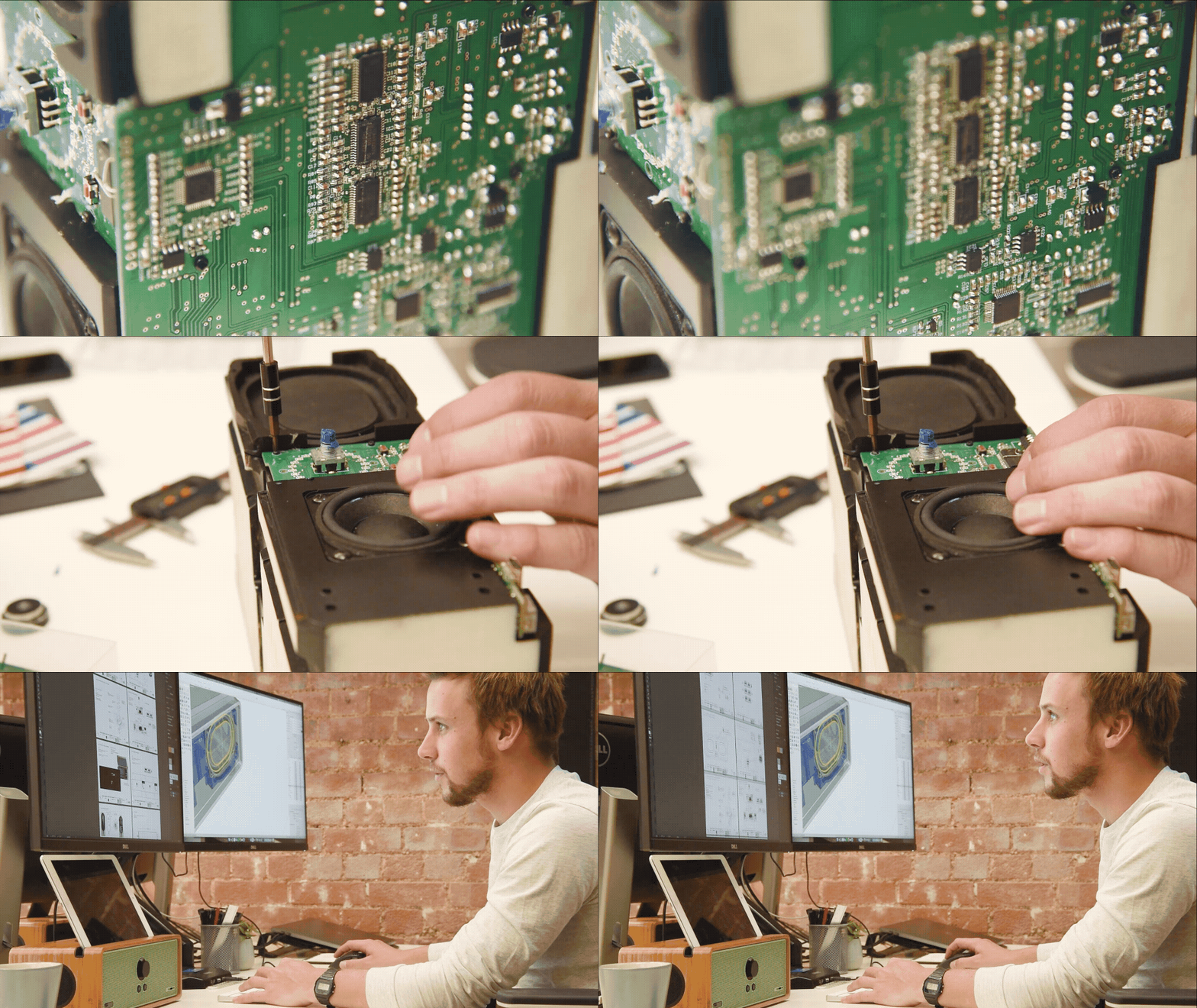
Consumer electronics is full of invisible engineering constraints. Heat, vibration, EMI, acoustics, airflow, antenna performance, structural stiffness. You can draw anything. You cannot ship anything. This is where experienced teams tend to move differently. They model early. They prototype early. They build subsystem rigs. They test behaviour, not just appearance.
The Oracle Jet project is a strong example of this approach. In Breville The Oracle Jet, the project used subsystem rig development to validate design and engineering solutions at stage gates, and embraced a fail-to-succeed approach through multiple prototype rounds. That mindset, test the risky bits early, is exactly how you stop a product becoming a late-stage surprise.
5) Manufacturability and service, the unseen product experience
For example, the user never sees your assembly sequence. But they feel its consequences.
Poor assembly decisions show up as:
- inconsistent button feel
- rattles
- misaligned gaps
- dust and water ingress
- fragile connectors
- premature wear
Serviceability is now a bigger deal than it used to be. Not because it is trendy, but because it is economical. It keeps products in use longer, reduces waste, and builds trust. In some categories and markets, it is becoming a requirement, not a nice-to-have.
If you want the cleanest way to reduce cost and risk in consumer electronics, it is usually this:
Design the assembly story early, then prototype the interfaces that make or break it, because prototypes should change decisions, not just impress stakeholders.
6) Visual language, premium is engineered, not rendered
People will always judge a product visually. That will never change. But “premium” is not only a surface finish. Premium is coherence. Proportion. Interface feel. Consistency. Tight tolerances where it matters. Quiet confidence.
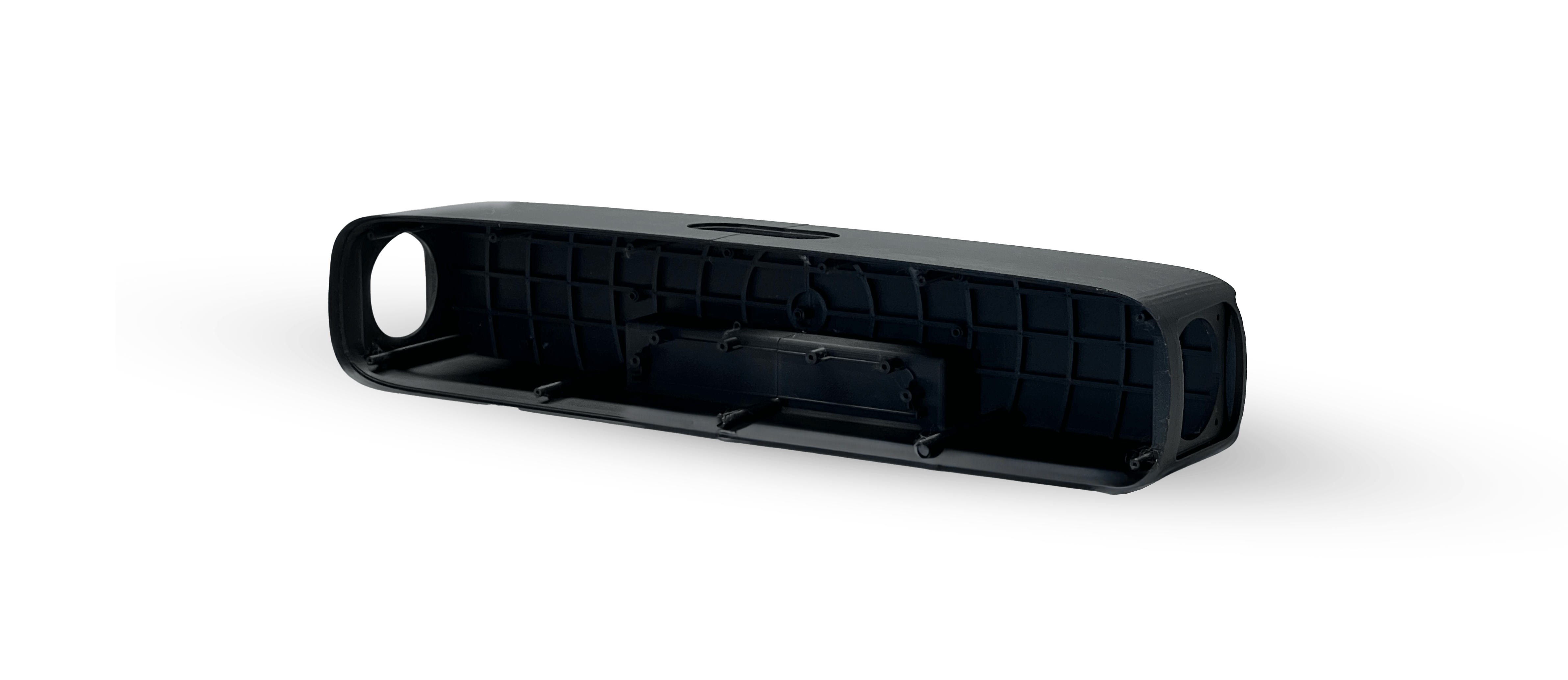
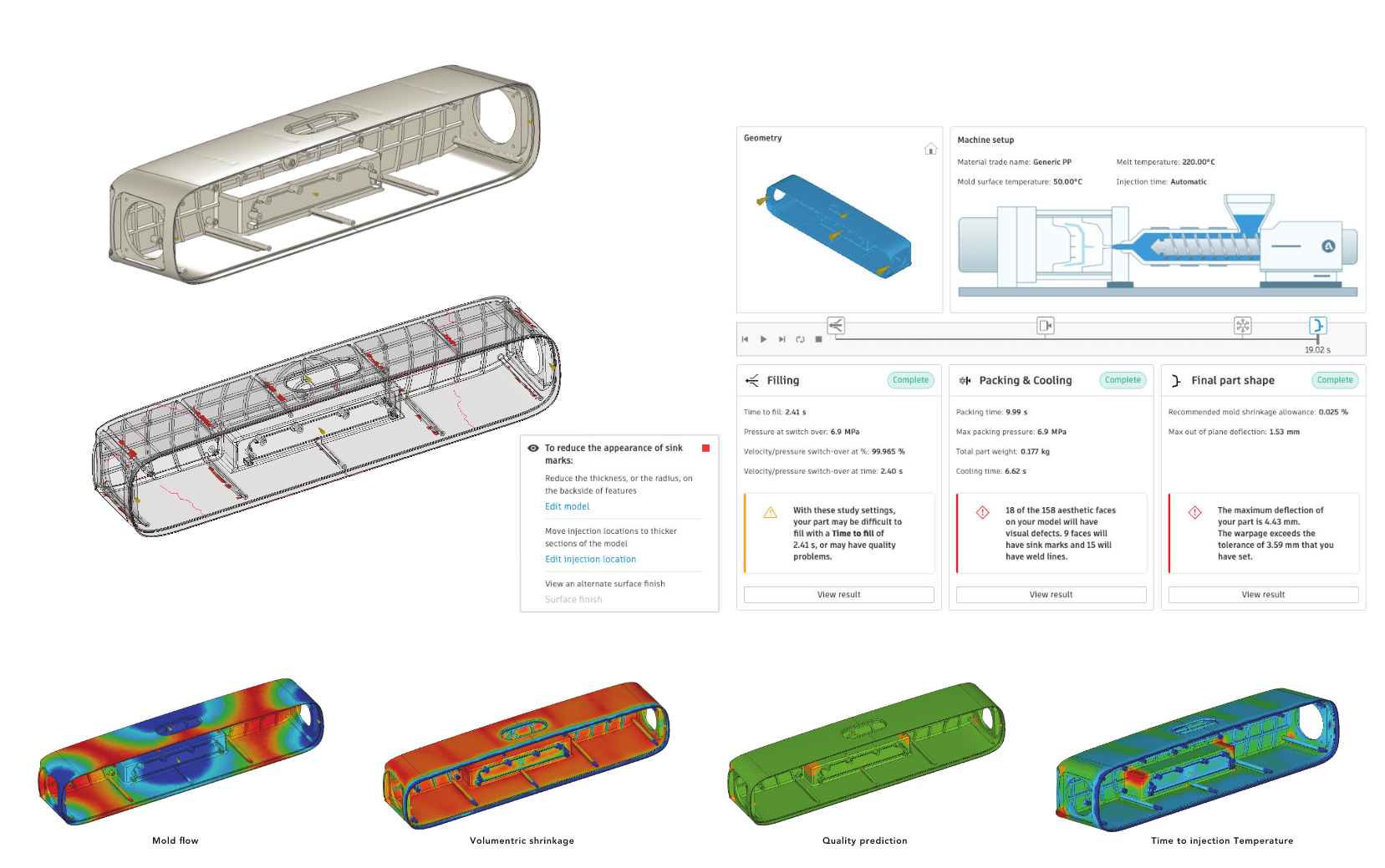
In audio, you can see this play out clearly. The Air D1 project talks about scrutinising minor details to ensure a high-quality outcome, and integrating complex technology into a sleek interface. And in compact sound products, physics sets the box. The TVTR Compact Soundbar project highlights designing within dimensional constraints demanded by sound reproduction, while still achieving an acceptable presence in the home, and preparing the plastic parts to be tool-ready.
Trust signals, what users feel before they think
Here’s a simple question I ask teams. What does this product communicate in the first five seconds? Not what your website says. Not what your founder pitch says. The object itself.
Users scan for trust signals:
- weight, balance, and stability
- tightness of joins and gaps
- button feel and sound
- clarity of labels and icons
- charging and connection confidence
- how it behaves when something goes wrong
This is why I’m wary of starting with polish before logic. Great consumer electronics is not a styling pass. It is a series of trust decisions made early, then verified through prototypes and engineering reality.
Real-world reality, water, dust, drops, glare, noise
Most consumer electronics fails in the same place. Not the lab. Life. If you want your product to be relevant in 2026, design it for the conditions it will actually face. That might sounds obvious, but it is surprisingly rare.
Manufacture, service, and the boring stuff that kills timelines
I say this a lot, because it is true. Most hardware delays are not caused by one big mistake. They are caused by ten small assumptions.
Therefore, Consumer electronics is especially sensitive to this because it tends to combine:
- tight packaging constraints
- multiple materials and processes
- complex assemblies
- high expectation of fit and finish
- regulatory and compliance layers
If you want to keep momentum, you need a process that makes assumptions visible early. That means clear decision cadence, issue registers, prototype evidence, and written design intent.
A practical checklist you can use this week
If you are early stage, or you are trying to sanity-check a concept before it gets too far down the track, use this list. It’s designed to be plain language, founder-friendly, and still grounded in what actually makes products succeed.
Product clarity
- Can someone use it correctly in ten seconds without a manual?
- Are the key actions obvious, even under stress?
- Do error states make sense, and do they help the user recover?
Physical confidence
- Does it feel stable when pressed, twisted, mounted, docked, carried?
- Are the controls usable with gloves, wet hands, cold fingers?
- Are the ports and connectors easy to understand and hard to misuse?
Real-world durability
- What will fail first, and have you tested that interface yet?
- What happens after dust, grit, water, UV, drops, vibration?
- Does the design have an obvious sealing and drainage strategy where relevant?
Manufacture and service
- Can you explain the assembly order step by step?
- Can a technician access the likely failure parts without destroying the product?
- Have you made the process assumptions explicit: injection moulding, CNC, sheet metal, soft goods?
2026 reality checks
- Does your charging and power strategy align with modern expectations, especially USB-C?
- Is your support story credible: updates, spare parts, repair pathway, even if basic?
- Are you designing a product that can stay in use longer, not just launch well?
In practice, If you run this checklist and feel uncomfortable, that’s a good thing. Discomfort early is cheap. Discomfort after tooling is expensive.
Project references from my work
Next, if you want to see how these fundamentals show up in real programmes, here are a few relevant case studies:
- Lowrance Eagle, user pain points, waterproofing constraints, connector logic that prevents user error.
- Lowrance Recon, marine environment, sealing, complex geometry, collaboration between Industrial Design and engineering.
- Breville The Oracle Jet, subsystem rig building, stage-gate development, complex architecture and prototype validation.
- Air D1, integrating complex technology with a clean user interface, detail scrutiny and premium execution.
- TVTR Compact Soundbar, designing within acoustic and dimensional constraints, tool-ready plastics, prototype testing.
- Hydration Bottle, mechanical ideation, sealing concepts, early manufacturing thinking to protect the end experience.
Final thought
In 2026, it’s tempting to think the winners will be the teams with the newest tools and the most features. Sometimes that’s true. But most of the time, the winners are the teams who do the fundamentals with discipline. Who earn clarity early. Who prototype with intent. For example, who design trust into the object, not just into the story.
Ultimately, AI will keep accelerating the early stages, and that’s exciting. Use it. I do. Just keep your eyes on the prize. A product that ships cleanly, survives real use, and earns repeat trust.
Want a second opinion on a consumer electronics concept?
Next, If you are building a hardware product and want a practical review, I offer short, high-leverage concept audits that focus on ergonomics, interface clarity, durability risk, and manufacturability before it gets expensive. Start with Services, or book a call via my site to map the fastest, cleanest path forward.
 Book a Call
 Instagram.
 linkedin.