

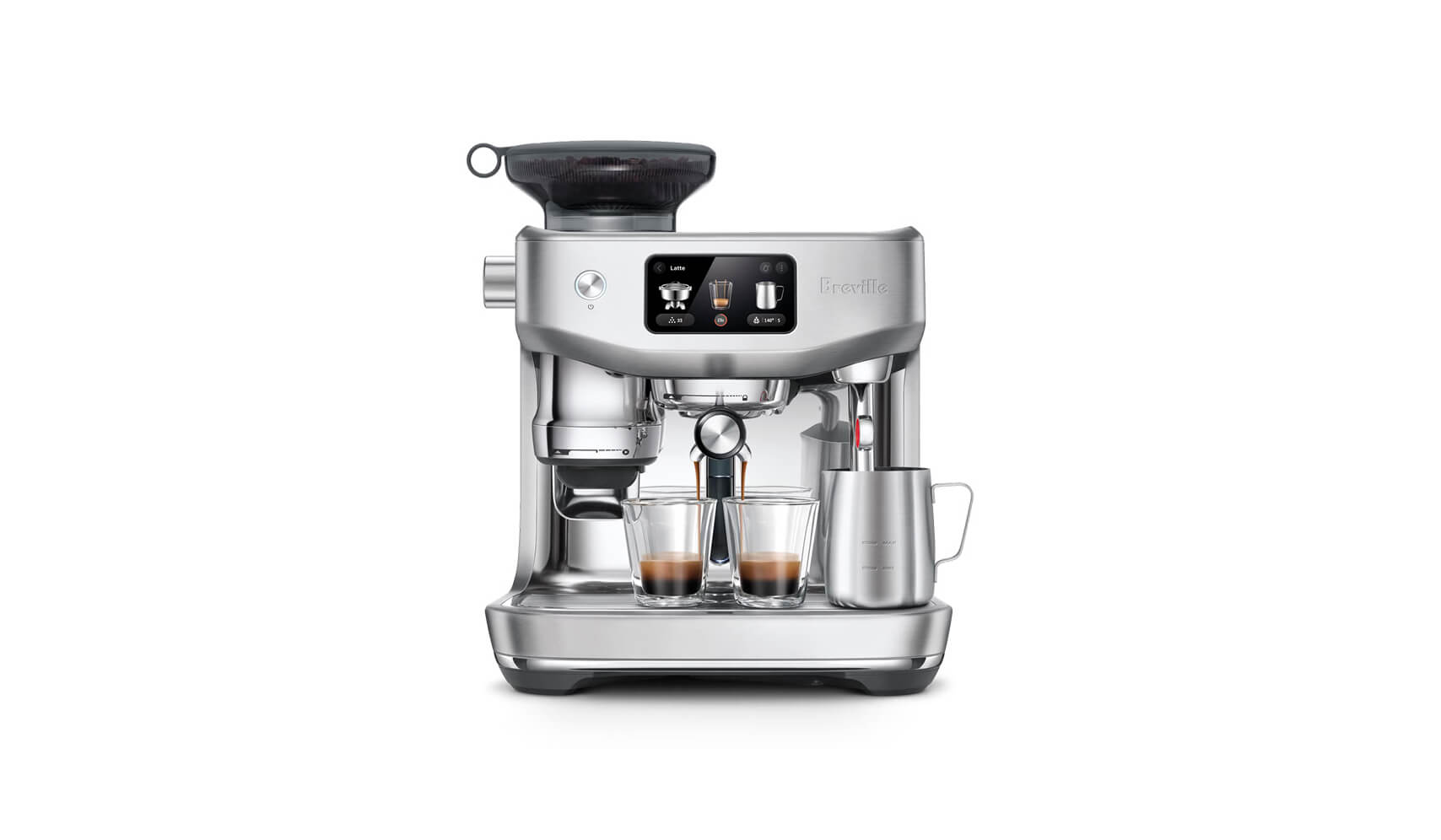
I hear some version of this a lot. "Can we skip the research bit and just get to the nice looking part?" It makes sense on paper. You want momentum. You want something you can show. You want to feel like the project is moving. But if you start with the surface, you usually end up paying for it underneath. Not because teams are careless. Because the early work, the unsexy work, is what stops you building a beautiful solution to the wrong problem.
The trap: treating design like a styling pass
There is a common assumption that design equals aesthetics. As if the job is to add a sleek shell, pick colours, tighten a few lines, and make the thing feel expensive. In reality, that is the final layer, not the foundation. Design is the process of making a product make sense for a real person, in a real context, with real constraints. If you skip that, the product might photograph well, but it will not land well.
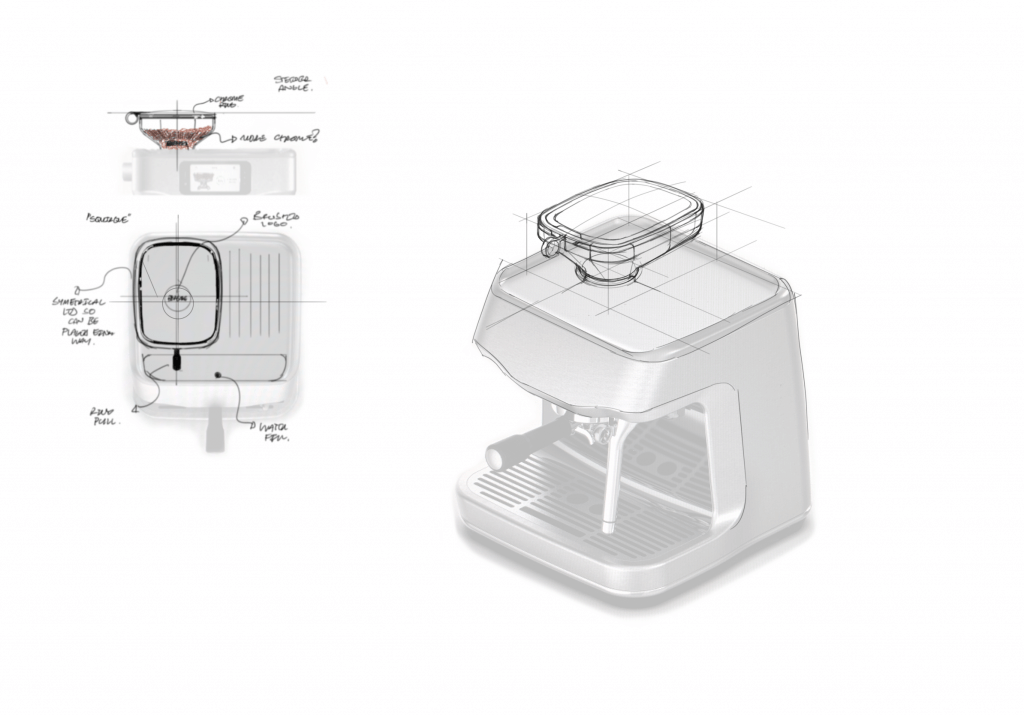
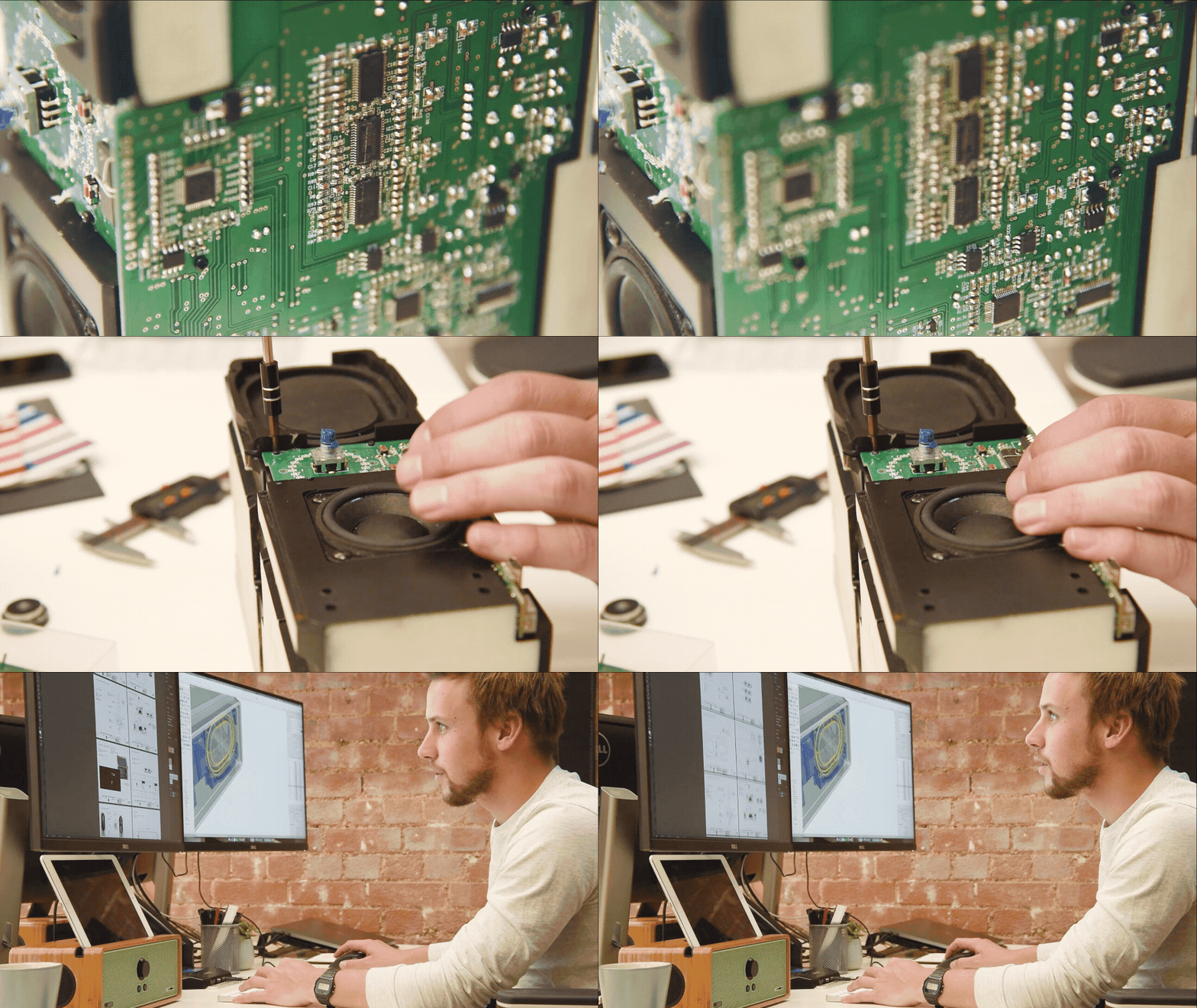
Project reference: Breville Oracle Jet.

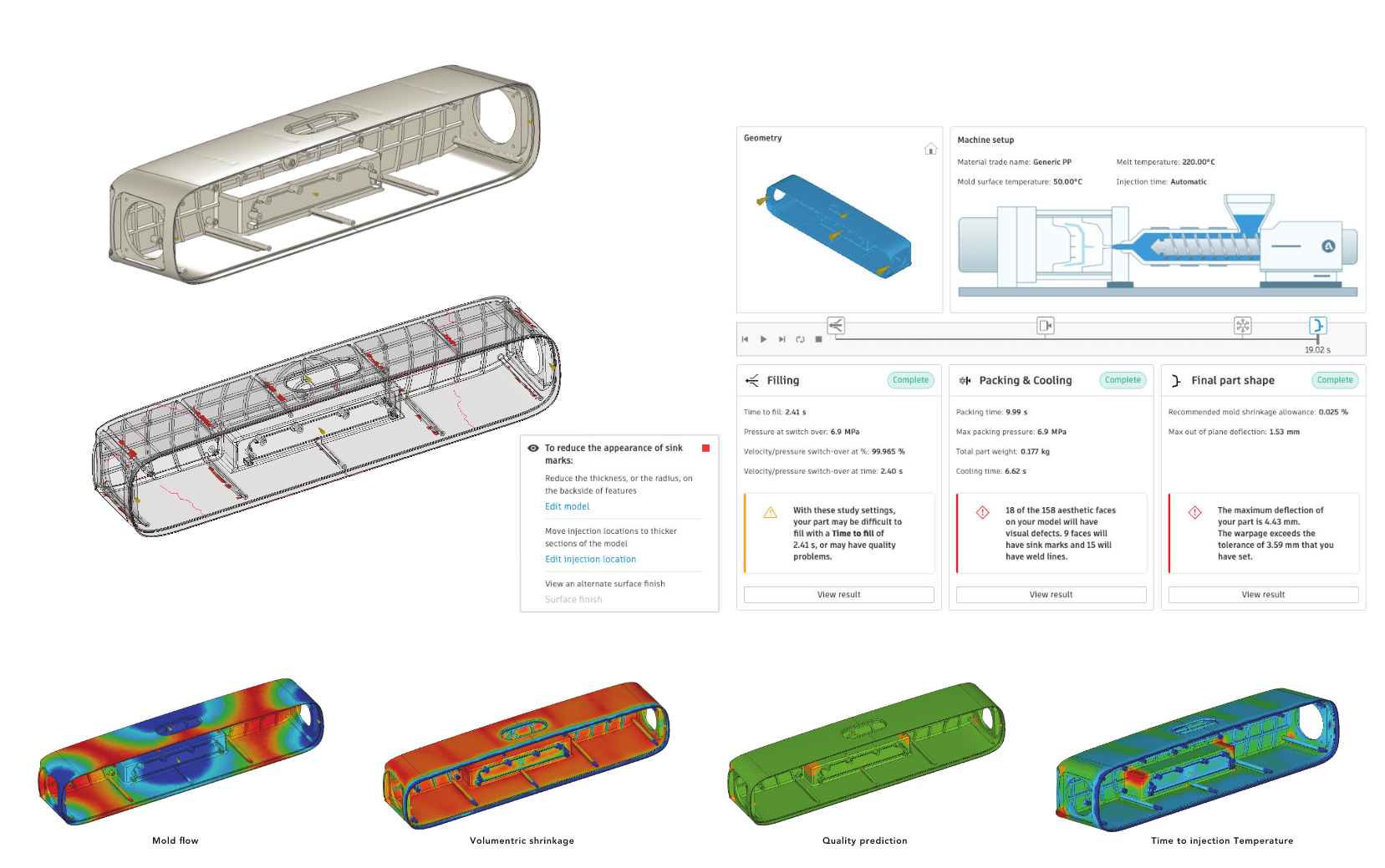
This is exactly the kind of challenge solved when front-end thinking is aligned with engineering and production reality, as seen in Lowrance Recon Trolling Motor.
What the early stage actually gives you
Research and positioning are often framed like overhead. They are not. They are the part where you stop guessing.
They help you lock down:
- Who this is truly for
Not "everyone who likes the outdoors" or "busy professionals". An actual user with a specific need and behaviour. - What problem matters enough to pay for
People do not buy features. They buy relief, confidence, speed, comfort, safety, status, and simplicity. - What the market already expects
Price points, common feature sets, quality cues, competitor strengths, and the reasons people hesitate. - What you can own
The sharp edge of your story. The reason your product deserves space on a shelf, or a spot in someone's daily routine.
This early work makes the rest of the project cleaner. It gives you a filter for decisions, so you are not debating every detail from scratch.
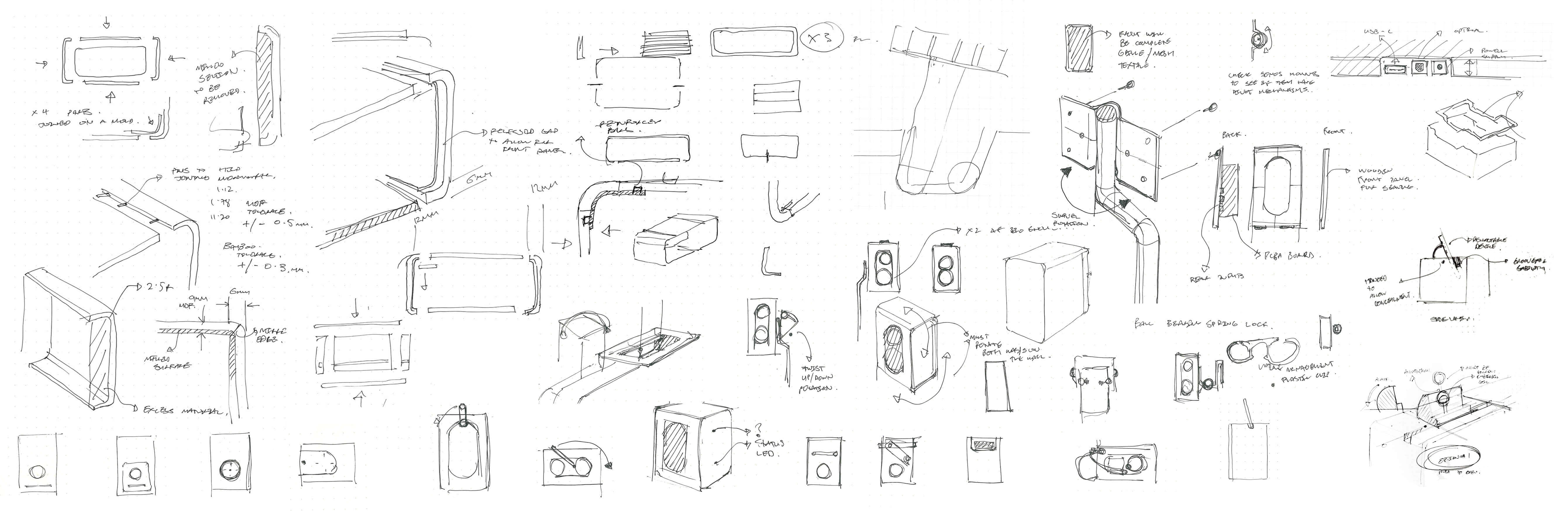
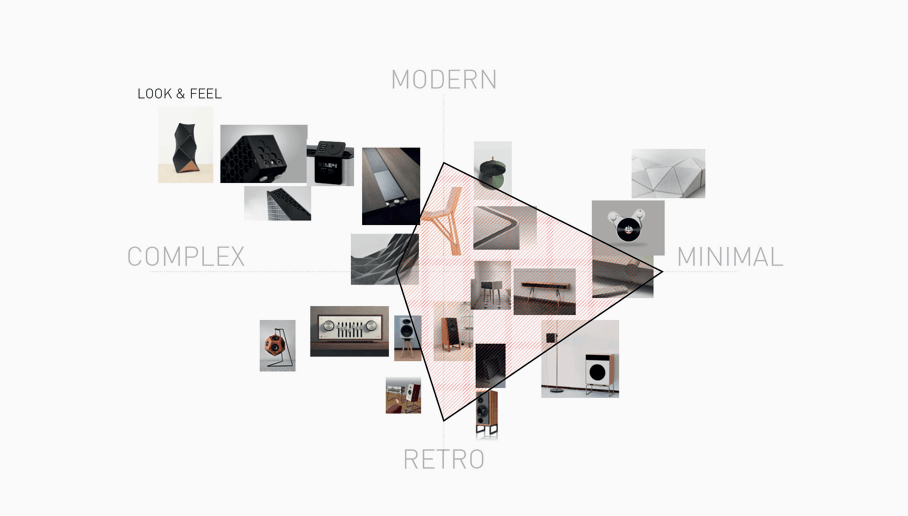
Project reference: DOCK E30.
The "cheap now" choice usually becomes the costly one
When scope gets cut, it often shows up later as:
Unsold product:
The most expensive lesson is inventory that sits.
A confusing offer:
If positioning is fuzzy, the product can be good and still fail because people do not immediately understand why it exists.
Rework that hurts:
Changes are cheap in week one. They are painful once tooling, supply chain, packaging, and content are in motion.
Lost trust:
First impressions matter, but ongoing experience matters more. If something feels thoughtless in use, people remember. This is the reality behind a lot of "We launched and it did not move" stories.
A better principle: match effort to risk and upside
Not every project needs months of workshops and a giant research report.
But every project needs enough thinking to reduce risk to an acceptable level.
A useful way to judge how much design process you need is to look at:
- Complexity: More parts, more interactions, more failure modes.
- Volume: The larger the production run, the more expensive a wrong call becomes.
- Cost of a mistake: If a mistake costs a week, fine. If it costs new tooling and a delayed launch, different story.
- Value created by getting it right: If design drives conversion, margin, brand credibility, or loyalty, it deserves proper attention.
Design investment should scale with both risk and reward.
What a sensible "get it right" process can look like
You can keep things lean and still do it properly.
- Align on the brief
What are we making, for who, why now, what does success look like, and what constraints are locked. - Pressure test assumptions
Quick user conversations, competitor scan, category cues, where people get stuck, and what they care about. - Define the decision framework
Positioning, key requirements, must-haves, nice-to-haves, and what we refuse to compromise. - Explore and prototype
Form, interface, CMF, packaging cues, ergonomics, and usability. Make ideas tangible early. - Validate before it is expensive
Tight feedback loops, small tests, and clear decisions. - Deliver for production
Outputs that translate cleanly into engineering, suppliers, and the real world.
This gets you to premium, but it also gets you to a product that feels inevitable when someone uses it.
A quick gut check before you cut the early work
If you are about to de-scope research, ask:
- Can we describe the target user without vague labels?
- Do we know the top three reasons someone will not buy this?
- Do we know what "good" looks like in this category at our price?
- Can we explain why we are different in one clean sentence?
- What is the cost if we find out we are wrong after launch?
If those answers are not solid, the early stage is not optional. It is the insurance policy.
Final thought
Sleek is easy to recognise.
A product that earns repeat use is harder. That takes care, context, and a willingness to do the thinking before the polishing.
If you are weighing up the right level of design support, start here:
Related project: Rotoiti Bath demonstrates how sustainability, material choices, and product detailing can work together in a production-ready outcome.
 Book a Call
 Instagram.
 linkedin.